
Discover The World of Reptiles
Explore snakes, reptiles, their biology, habitats, taxonomy, geographic
distribution and conservation through one comprehensive information hub.
Explore Reptiles by Group
Three entry points into the hub, organised the way field workers
and students actually search.
Featured Species (Big Four)
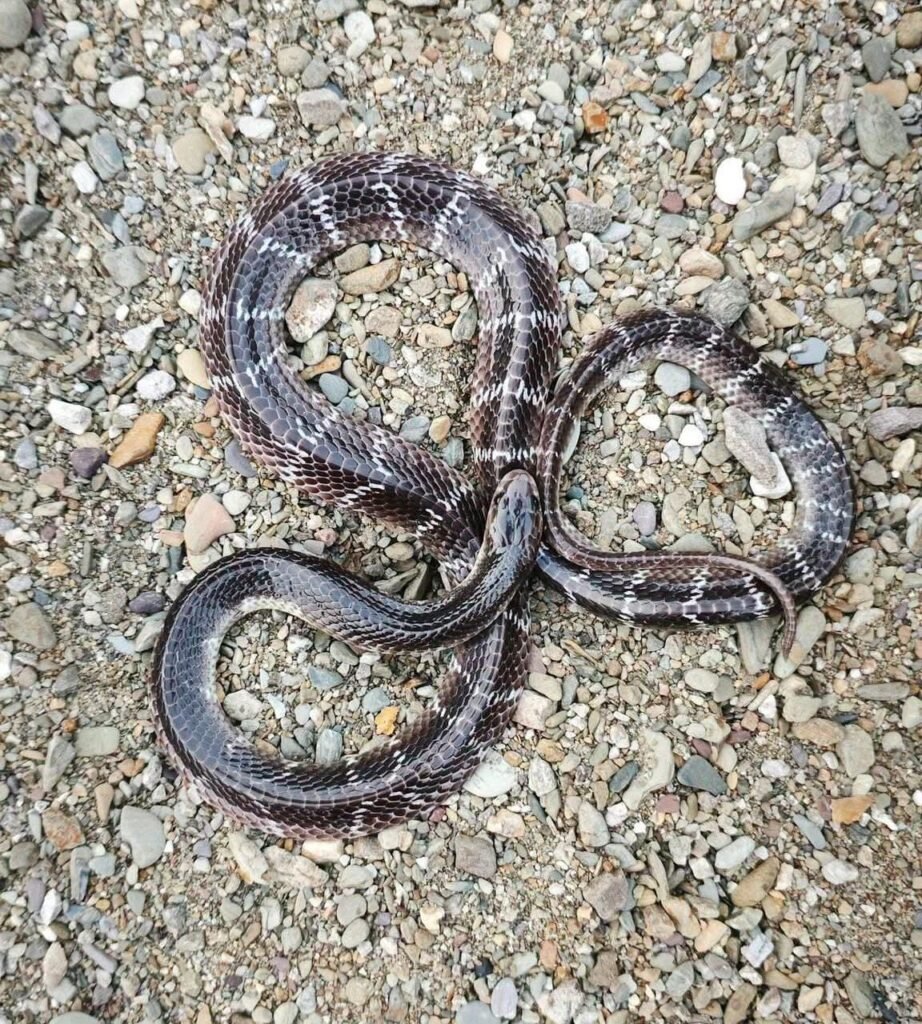
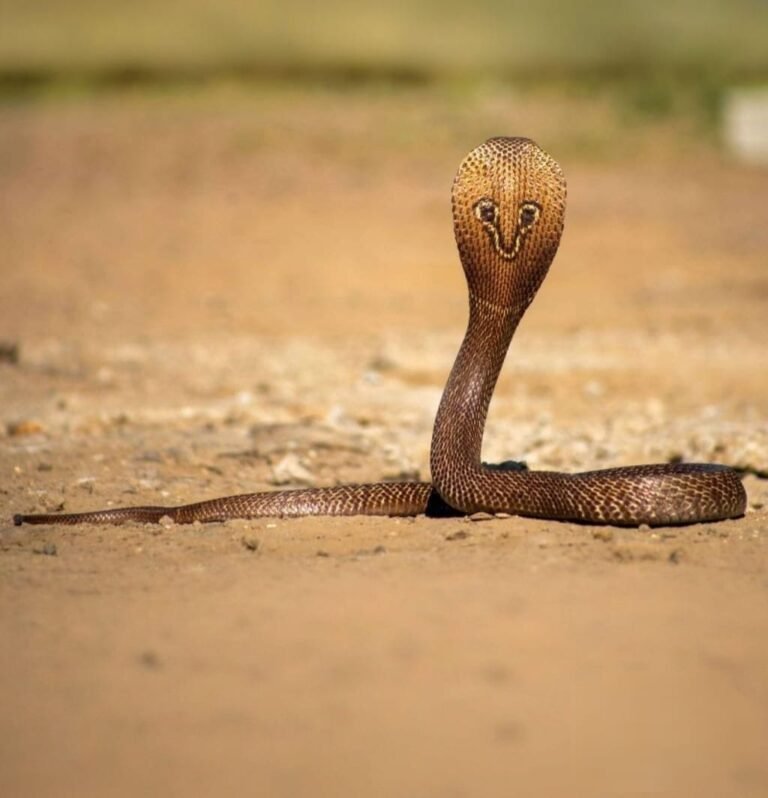
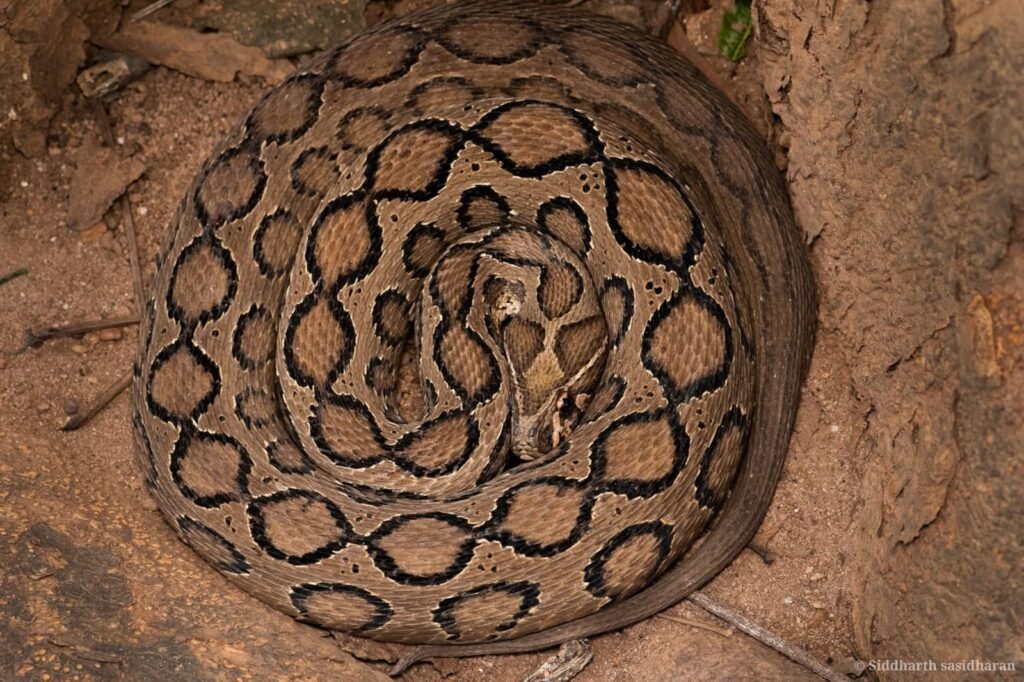
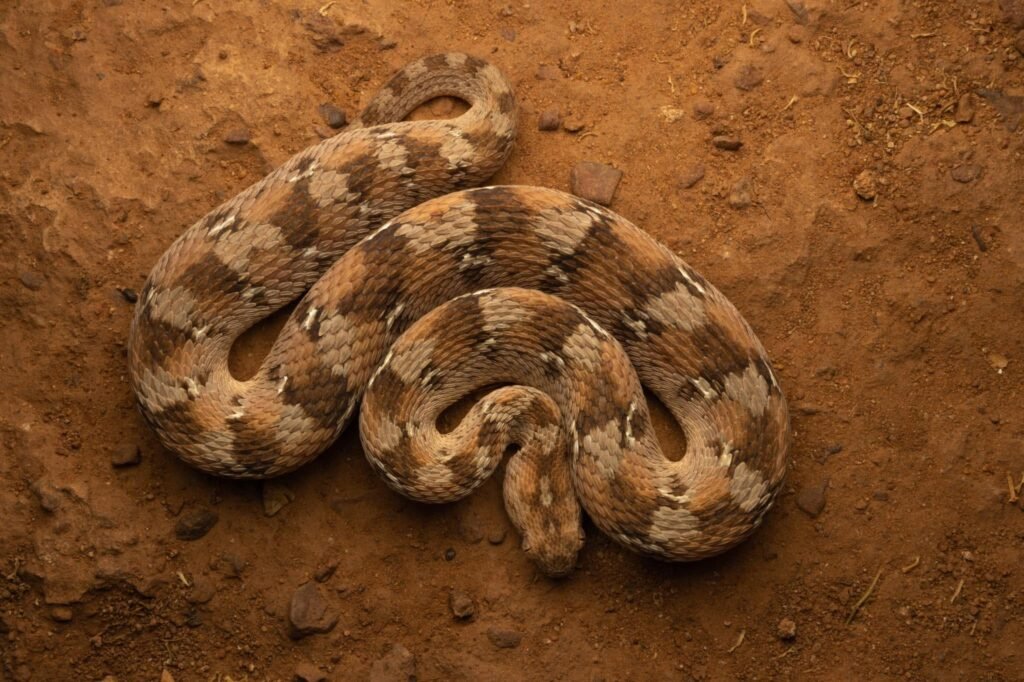
Each profile carries taxonomy, distribution, behaviour, venom notes
and identification guidance.
The Science of
Serpents
Discover how snakes are built, how they survive, and what makes them remarkable reptiles. Explore the science behind their anatomy, venom, behaviour and habitats.
Venomous Snakes
Discover important identification features, venomous species and the importance of keeping a safe distance.
EXPLORE SPECIES ↗Snake Anatomy
Explore snake scales, flexible jaws, specialised organs and the body structures behind their movement.
EXPLORE ANATOMY ↗Venom & Fangs
Learn how venom is delivered, how fangs work and why snake venoms can affect the body differently.
UNDERSTAND VENOM ↗Snake Habitats
Journey through forests, deserts, wetlands and mountains where different snake species live.
EXPLORE HABITATS ↗Snake Behaviour
Understand hunting, camouflage, defence, movement and the adaptations that help snakes survive.
DISCOVER BEHAVIOUR ↗Snakebite Safety
Learn bite prevention and essential first-aid principles, including the need for urgent medical care.
READ SAFETY GUIDE ↗Scientific knowledge and public awareness help people understand snakes and protect wildlife.
LEARN · RESPECT · CONSERVE ↗Snake Bite Information & First Aid
Keep the person calm and still. Limit movement, immobilise the bitten limb and seek emergency medical care immediately.
Never cut or suck the wound, apply a tourniquet, use ice or attempt to catch the snake. Avoid unproven home remedies.
Watch for swelling, severe pain, weakness, drooping eyelids, unusual bleeding or breathing difficulties. Symptoms may be delayed.
Seek hospital care without delay. Doctors assess the bite, monitor complications and administer appropriate antivenom when needed.
AI Snake Identifier
Upload a snake photo to begin the identification process. The planned tool will help explore possible species, visual characteristics, and relevant safety information.
Upload a Snake Photo
Choose a clear photo already taken from a safe distance. Do not approach a snake to take a picture.
Identification Results
Possible species and identification details will appear here after the AI service is connected.
Ready for Analysis
Your selected photo will be ready for the connected identification service. No species has been identified yet.
Never handle a snake based on an online identification. Photo-based results can be wrong or inconclusive. Keep your distance and contact a qualified local snake rescuer or wildlife authority. If bitten, seek emergency medical care immediately.
Photo preview stays in this browser in this interface. The image is not sent to an AI service by this code.
The Reptile Knowledge Hub
Step beyond snakes and explore the broader science of the reptile kingdom. A structured directory for students and wildlife enthusiasts curious about lizards, turtles, crocodilians, and their ancient origins.
Evolution & Classification
Learn how reptiles evolved, their diverse genetic lineages, and how species are scientifically classified and grouped across the globe.
Adaptation & Survival
Explore the remarkable features of lizards and geckos, from advanced camouflage and climbing mechanics to their vital roles in local ecosystems.
Turtles & Crocodilians
Dive into the world of shelled reptiles and ancient apex predators, uncovering their unique breeding habits, structures, and hunting techniques.
Conservation & Threats
Understand the environmental challenges reptiles face today, including climate change and habitat loss, and learn how we can protect them.
Wildlife Education Directory. This knowledge hub supports broad reptile education and environmental awareness. It highlights the ecological importance of these animals to encourage responsible conservation efforts worldwide.
Myths vs. Facts
The reptile world is full of fascinating truths, but also dangerous misconceptions. Let's clear up some of the most common myths about snakes, turtles, and lizards.
Snakes drink milk and can be lured out using a bowl of milk.
Snakes are reptiles and are completely lactose intolerant. Drinking milk can make them severely ill or cause death. They only drink water.
Snakes intentionally chase people to attack them.
Snakes are terrified of humans. If a snake slithers towards you, it's usually just trying to reach a safe hiding spot that happens to be behind or near you.
Turtles can crawl out of their shells if they want to.
A turtle's shell is actually part of its skeleton! The shell is fused directly to their spine and ribcage, meaning they cannot leave it.
Chameleons change color solely to blend into their background.
While some camouflage happens, chameleons mostly change color to regulate their body temperature or to communicate their mood (like aggression or mating readiness).
Public information directory
A structured directory concept showing facilities, districts, tehsils
and reported anti-venom availability.